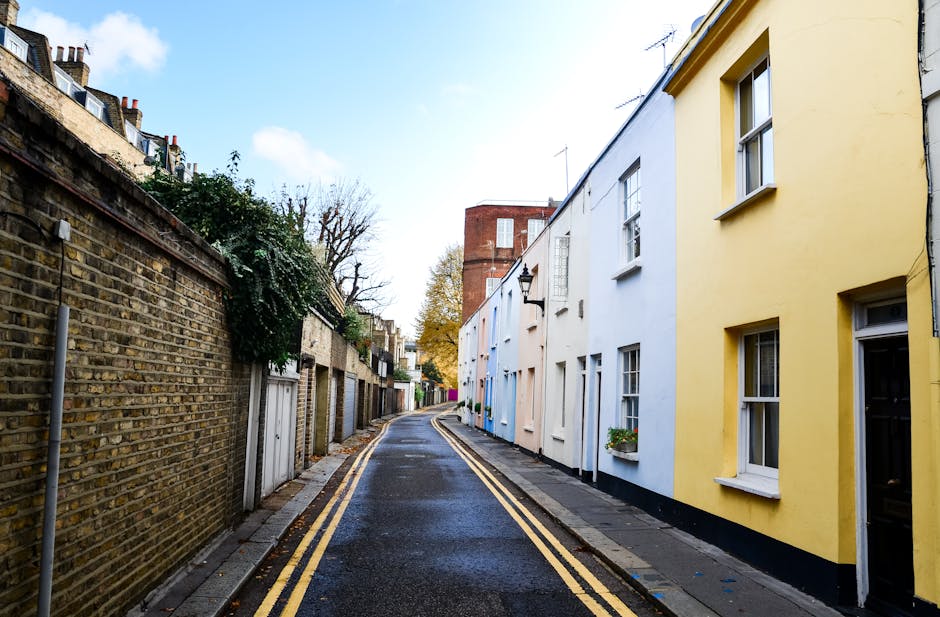
Balham High Road removals and moving guide

Moving on or around Balham High Road can feel straightforward on paper, then suddenly a bit chaotic in real life. There are buses, parking pinch points, flats above shops, narrow side streets, and the usual last-minute surprises that come with London moves. This Balham High Road removals and moving guide pulls the whole process together in one place, so you can plan with less stress and make better decisions before moving day arrives.
Whether you are moving into a flat near the station, shifting a family home a little further out, or arranging a small business move, the same basics still matter: timing, access, packing, vehicle size, and a realistic plan for loading and unloading. Let's face it, the difference between a smooth move and a long, frustrating one is often just preparation.
Below you will find a practical breakdown of how local removals work, what to watch out for on Balham High Road, and which service options make the most sense for different kinds of moves. A few calm decisions now can save a lot of heavy lifting later.
- Quick take: plan access early, measure larger items, pack with route and parking in mind, and choose a moving service that matches the size and complexity of your move.
- Best for: homes, flats, student moves, office relocations, and same-day collections or deliveries in the Balham area.
- Worth remembering: the right removals setup is usually the one that reduces wasted time, not just the one with the biggest van.
Why Balham High Road removals and moving guide Matters
Balham High Road is one of those places where moving logistics matter more than people expect. It is busy, well used, and full of mixed property types. You get small upper-floor flats, terraced houses, converted buildings, shops, offices, and side-street parking that can disappear fast. That mix makes removals more sensitive to timing and access than a generic move across a quieter suburb.
If you are moving from a flat above a parade of shops, for example, the route from front door to vehicle may be short but awkward. One lift might be out of action, the stairwell may be tight, and parking outside may be limited. In a case like that, a simple "we'll just get a van" approach can turn into repeated trips and unnecessary strain. A more thoughtful plan, or a well-matched man and van service, often works far better.
This guide matters because it helps you think like a mover before moving day. That means understanding the building layout, the street conditions, the size of your furniture, and whether you need extra help with packing and boxes, dismantling, storage, or full-service removals. When those decisions are made early, the whole job tends to feel calmer. Not glamorous, maybe, but calmer.
There is also a financial side to it. The more efficient the move, the less time you are usually paying for. A good plan can reduce waiting, back-and-forth trips, and damage risk. That is why local knowledge counts. A team that understands Balham's streets, loading patterns, and housing mix can usually work more neatly and with fewer surprises.
How Balham High Road removals and moving guide Works
Think of a move near Balham High Road as three connected jobs: planning, packing, and transport. If one part is poorly handled, the rest feels harder than it should. The basic process is simple, but the detail is where the difference lives.
First comes the assessment. You decide what is moving, what needs dismantling, what must be protected, and whether you need help with one room or the entire property. A small studio move may suit a removal van, while a larger family home or office may need a bigger vehicle or a wider moving team. If you are not sure, a clear pricing and quote page is often the sensible place to start.
Next comes route and access planning. Around Balham High Road, you should think about where the vehicle can stop, whether there are loading restrictions, and how far items must be carried. A ten-metre carry is not dramatic. A fifty-metre carry with two awkward wardrobes and a wet pavement? Different story altogether. That is the kind of detail that changes the move from "fine" to "why did we not plan this earlier?"
Then comes packing and preparation. Good packing protects belongings, but it also saves time. Items grouped by room, labelled clearly, and boxed by weight are easier to load safely. If you need extra support, packing and unpacking services can be a practical choice, especially if work, childcare, or travel plans leave you short on time.
Finally, there is the move itself. The team loads items in a sensible order, secures furniture, checks fragile pieces, and unloads in the right rooms. That sounds obvious. It is not always done well. A tidy load is faster to unload and less likely to lead to scratches, crushed boxes, or that grim realisation that the kettle has been packed in the very last box on the van. We have all seen that one.
Key Benefits and Practical Advantages
The main benefit of a good removals plan on Balham High Road is not just speed. It is control. When you know the sequence, the timing, and the service type you need, the day feels manageable rather than reactive.
Here are the advantages people usually notice most:
- Less wasted time: the right vehicle and route reduce unnecessary trips and long waits.
- Better protection: professional handling lowers the risk of scuffs, breaks, and furniture damage.
- Lower stress: clear expectations make the day easier for everyone involved.
- More flexibility: options like same-day removals can help when plans change suddenly.
- Smarter spending: choosing the right service level avoids paying for more help than you need.
For some people, the biggest advantage is simply not having to borrow a friend's car and hope for the best. That can work for one chair and a couple of boxes. Once a mattress, a dining table, or several flights of stairs enter the picture, the DIY option gets less charming, fairly quickly.
There is also a very real mental benefit. A well-organised move frees up attention for practical life tasks like setting up utilities, updating your address, and finding the new local rhythm. Anyone who has ever tried to do all of that while standing in a hallway surrounded by boxes will understand. It gets noisy in your head.
Who This Is For and When It Makes Sense
This guide is useful for anyone moving within, to, or from the Balham High Road area, but some groups will find it especially relevant.
- Flat movers: People in converted buildings or upper-floor flats often need help with stairs, tight entrances, and parking constraints. In these cases, flat removals can be a better fit than a generic transport-only booking.
- House movers: Families and long-term residents usually have larger furniture, more boxes, and more coordination to manage. House removals or house removalists are often the practical choice.
- Students: Student lets tend to involve lighter loads but tighter deadlines, shared access, and lots of short-notice moves. Student removals can save time and hassle.
- Businesses: Small firms, freelancers, and office teams may need discreet timing and organised transport. That is where office removals or commercial moves become relevant.
- Furniture-only moves: If you are buying or disposing of a few large items, furniture removals or furniture pick up may be enough.
It also makes sense when you want practical help without overcomplicating things. A lot of people do not need the full-service, top-to-bottom package. They just need the right support at the right moment. That might be loading, transport, and careful drop-off. Simple, but not simplistic.
Step-by-Step Guidance
Here is a straightforward way to plan a move around Balham High Road without losing track of the details.
- List what is moving. Walk room by room and write down furniture, boxes, awkward items, and anything fragile. Do not trust memory. Memory gets creative during moving week.
- Check access. Measure doorways, stair turns, lifts, and any narrow points. Also think about where the vehicle can stop and how far the carry is from the property entrance.
- Decide the service level. A small load may fit a man with a van approach, while bigger or more complicated jobs may need broader removal services or a larger vehicle such as a moving truck.
- Pack by priority. Keep essentials separate: kettle, toiletries, chargers, documents, and one change of clothes. That first-night box is worth its weight in gold.
- Protect awkward items. Wrap mirrors, secure drawers, remove loose shelves, and if necessary dismantle beds or tables before the crew arrives.
- Confirm timing. Agree arrival time, parking assumptions, and whether there are building restrictions. A ten-minute confusion at the start can ripple through the whole day.
- Prepare the new property. Make sure key rooms are ready, floors are clear, and there is somewhere to put boxes without blocking every walkway.
- Review unloading priorities. Beds, white goods, and work essentials should usually go in first. Boxes can wait a little; sleep and sanity, less so.
If you have no time to do the sorting yourself, it may be worth using removals support that includes packing help, loading, and unloading. Truth be told, moving is one of those jobs where the right support feels more valuable than you expected once the first box is lifted.
Expert Tips for Better Results
Small decisions make a big difference on moving day. The following habits are simple, but they genuinely help.
- Book around the street, not just the clock. Balham High Road can get busy, so choose a time that works for loading, parking, and lift access rather than just the cheapest slot.
- Keep heavy items small. It is better to have more medium boxes than a few dangerously heavy ones. Your back will thank you. Quietly, but sincerely.
- Use colour cues. Even basic coloured tape on boxes can help the unloading team place items in the right rooms faster.
- Photograph cable setups. A quick phone photo before unplugging TVs, routers, and desk equipment can save an hour later.
- Tell the crew about the awkward bits early. If there is a tight staircase, a heavy piano, or a shared entrance, say so up front. Surprises are for birthdays, not removals.
If you are moving a heavier or more delicate item, it is often wiser to request a specialist service. Piano removals, for example, are not the place to improvise. Same with oversized cabinets, fragile antiques, and anything that would make you wince just looking at a staircase.
And one more thing: if you are between homes for a few days, temporary storage can be a very sensible bridge. It keeps the move from becoming a domino chain of delays.
Common Mistakes to Avoid
Most moving problems are preventable. The trick is spotting them before they become moving-day drama.
- Underestimating access issues: A property that looks easy from the outside can still have awkward stairs, narrow halls, or limited loading space.
- Packing too late: Last-minute packing creates weak boxes, poor labelling, and missing items.
- Choosing the wrong vehicle size: Too small means extra trips. Too big can mean paying for more than you need.
- Forgetting insurance and handling details: Know what level of cover and safety process the provider uses. It matters more than people think.
- Leaving disposal to the last minute: Unwanted furniture can slow the move and clutter the property.
Another common one: people pack "essentials" into a box that disappears under the heaviest items in the van. Then they spend the first evening hunting for phone chargers and the only mug they actually like. A small tragedy. Easily avoided.
If you are clearing out large items before a move, a service such as furniture removals can help keep the process tidy and reduce the chance of clutter following you into the new place.
Tools, Resources and Recommendations
You do not need a huge toolkit to move well, but a few practical items make the process smoother.
- Strong boxes: Use good-quality moving boxes rather than random supermarket leftovers for heavy contents.
- Packing tape and labels: Simple, but essential. Make labels readable from standing height, not just when you crouch over the box.
- Furniture blankets or wraps: Helpful for protecting wood, glass, and polished surfaces.
- Trolley or sack barrow: Very useful if you have longer carries or heavier items.
- Basic toolkit: Screwdrivers, Allen keys, and a small bag for screws and fittings can save a lot of rummaging later.
From a planning point of view, the most useful resources are service pages that match your move type. For a straightforward home move, home moves is relevant. For business relocations, office relocation services may be the better fit. If you need flexibility and a lighter-touch option, man with a van or man with van options can be very useful for smaller jobs.
It is also sensible to look at service trust signals before booking. Pages such as insurance and safety, health and safety policy, and about us help you understand how the service operates and what standards it says it follows. That reassurance matters. Especially when someone is moving your sofa through a tight doorway.
Law, Compliance, Standards, or Best Practice
Moving house or office is not usually a heavily regulated process for the customer in the same way some trades are, but best practice still matters. In the UK, a professional removals provider should be clear about insurance, payment security, damage handling, and terms of service. You should also expect sensible health and safety practices during lifting, loading, and transport.
For your own move, there are a few practical points worth keeping in mind:
- Check terms before booking: understand cancellation, access assumptions, and what happens if the move takes longer than planned. The terms and conditions page is there for a reason.
- Confirm payment safety: know how deposits, final balances, and payment methods are handled. A clear payment and security page is reassuring.
- Ask about damage handling: accidents are rare when people are careful, but they can happen. A transparent insurance and safety policy matters.
- Consider sustainability: if you are disposing of items, a responsible recycling and sustainability approach is better than leaving unwanted furniture to become a problem elsewhere.
There is also a customer-service side to compliance. If something goes wrong, you should know how feedback and complaints are handled. That is why a visible complaints procedure is useful. Not because you expect trouble, but because clear process builds trust. Simple as that.
If accessibility is relevant to you or someone in the household, it is sensible to review the provider's accessibility statement too. Good planning should work for real people, not just neat assumptions on a page.
Options, Methods, or Comparison Table
Different moves call for different methods. Here is a simple comparison to help you choose.
| Option | Best for | Strengths | Watch-outs |
|---|---|---|---|
| Man and van | Small flats, light household moves, single-room moves | Flexible, usually quick to organise, good for smaller loads | May not suit bulky furniture or complex access |
| Full removals service | House moves, larger flats, mixed furniture loads | More support, better for heavy or multiple items | Costs more than transport-only help |
| Storage plus move | Delayed completions, gap between properties, staged moves | Buys time and reduces pressure | Extra handling and possibly extra cost |
| Furniture-only collection | Marketplace pickups, disposal, replacement items | Simple, efficient, useful for one-off jobs | Not ideal for full household moves |
For a smaller Balham move, removal van or man and van support may be the cleanest option. For more demanding properties, removal truck hire or a broader service package can make life easier. The main question is not "Which sounds best?" but "Which one fits the actual job?"
Case Study or Real-World Example
Here is a realistic example. A couple moving from a second-floor flat near Balham High Road had a sofa, bed frame, wardrobes, and around twenty boxes. On paper, it looked like a short move and could have been treated casually. But the stairwell was narrow, parking was uncertain, and one wardrobe would not pass the top landing without partial dismantling.
Instead of trying to squeeze the whole move into a last-minute arrangement, they sorted the furniture the day before, packed an essentials box separately, and used a service suited to a flat move. That meant the loading team could work in a controlled way, the heavier pieces were handled properly, and the move finished without the usual "where did we put the bedding?" panic.
The noticeable difference was not just speed. It was calm. The hallway stayed clearer, the moving route was easier to manage, and the new place felt usable by evening. Nothing dramatic. Just a move that worked.
That is the real value of this kind of planning. A good removals job often feels almost boring while it is happening. And that is a compliment.
Practical Checklist
Use this checklist in the final days before moving.
- Confirm move date, arrival time, and access arrangements.
- Measure large furniture and key doorways.
- Decide whether you need packing help, storage, or furniture disposal.
- Label boxes by room and priority.
- Pack an essentials box for the first night.
- Disassemble furniture where needed and keep fixings together.
- Clear walkways in both properties.
- Set aside important documents, keys, and chargers.
- Check parking and loading access for Balham High Road or nearby streets.
- Review service terms, payment details, and safety information.
If you can tick most of those off before the van arrives, the day usually runs much better. Not always perfectly. But much better.
Get a free quote today and see how much you can save.
Conclusion
Balham High Road removals are easier when you treat the move as a logistics project, not just a lifting exercise. Plan the access, choose the right vehicle or service level, pack with purpose, and leave yourself a bit of breathing room. That one bit of margin can make all the difference.
Whether you are moving a studio, a family home, or a small business, the smartest approach is usually the one that matches the shape of the job rather than the cheapest headline option. If you get the basics right, the move feels less like a scramble and more like a clean transition into the next chapter.
And honestly, that is what most people want: not a perfect moving day, just a decent one. Smooth enough to exhale when it is done. That is a good outcome.
Frequently Asked Questions
What makes Balham High Road removals different from a normal London move?
The area combines busy roadside traffic, mixed property types, and parking constraints, so access planning matters more than it might in a quieter residential street. Flats above shops and narrow entrances are especially common.
Do I need a full removals service or just a man and van?
It depends on the size and complexity of your move. A smaller load, fewer stairs, and minimal furniture may suit a man with van option, while larger household moves usually benefit from broader support.
How far in advance should I book removals in Balham?
As early as you can, especially if your move date is at the end of the month, at the weekend, or tied to completion. If your plans are still moving around, a provider with flexible options may help.
What should I pack first before a move?
Start with non-essentials: books, seasonal items, spare bedding, and decor. Leave daily-use items for last, and keep a separate essentials box for the first night in the new place.
Can removals teams help with heavy or awkward items?
Yes, but you should say so clearly in advance. Large wardrobes, pianos, and bulky appliances may need specialist handling such as piano removals or a larger vehicle setup.
What if I have nowhere to move into straight away?
Temporary storage can bridge the gap between properties. It is often a practical fix when completion dates do not align neatly.
Is same-day removal ever realistic?
Sometimes, yes, especially for smaller loads or urgent local jobs. Same-day removals can be useful when plans change quickly, but availability will depend on timing and capacity.
How do I keep costs under control?
Reduce the volume of items, pack efficiently, and choose the right service for the job. Clear access information also helps avoid delays that can increase time-based costs.
What should I check before handing over valuables or fragile items?
Check how items will be wrapped, loaded, and secured, and review insurance and safety information carefully. If anything feels sensitive, point it out before the move begins.
Can I combine furniture disposal with my move?
Yes, in many cases. Services like furniture pick up and furniture removals can help clear unwanted items so they do not travel to the new property by accident.
What if I am moving from a flat with difficult stairs?
Say that early. A service tailored to flat removals is usually more appropriate, because stair access, turning space, and carrying distance all affect the day.
Where can I learn more about the company before booking?
It helps to look at the company's about us, insurance and safety, and health and safety policy pages so you know how they work and what standards they follow.